The Shift in Market Keywords and the Role of AI
The Shift in Market Keywords and the Role of AI
The Shift in Market Keywords and AI

2014 IoT Outlook: "Widespread, but Not Yet a Transition"] (바로가기) "
"The vision seems promising, but the timing isn't right yet." One of the reasons why OOO's consumer market is lagging behind the enterprise market is that the majority of consumers don't even know whether OOO exists...
The excerpt above is from an article written about 7 years ago, and while it may not be surprising now, the keyword that fits in the "OOOO" is IoT, not AI.
In 2014, like most professionals at the time, I was also working on a research project with the goal of securing a market-leading solution based on IoT, which was considered the big trend at the time, following technologies like USN, Embedded Systems, and M2M.
In my early 30s, driven by youthful ambition, I was desperate to secure manpower, technology, and funding, which were relatively lacking compared to competitors. I relentlessly pushed for consortiums with global companies and national projects (both leading and participating), convincing stakeholders from all directions.
During that time, I sought advice from professionals who had been in the ICT industry for a long time, asking for insights from various perspectives.
One common and representative piece of advice I received from my contacts was:
The key takeaway from the advice I received was that the most important thing in achieving what I wanted to do was choosing the right keywords for communication, and that these trends evolve over time.
To interpret this: "Read the market trends in advance, prepare accordingly, secure help from stakeholders, and complete the work before the next big keyword hits the market."
Of course, I was aware that the names of emerging technologies change every year through Gartner's Hype Cycle. However, I was surprised to realize that these changes directly impact my ability to secure partnerships and attract investment for the projects I was working on.

Perhaps thanks to that advice, my proposal centered around the keyword 'connection' led to a joint research and development agreement with a major telecommunications company in Korea. This opened the door to exploring and executing various projects, providing a significant opportunity for growth and collaboration.

For a long time, I had dismissed the mid- to long-term business or R&D directions suggested by higher-ups as nothing more than “throwing random success stories or news articles from competitors”, leading to a sense of distrust.
However, that experience became a turning point. It helped me realize that in order to drive the initiatives I was aiming for, I needed to plan projects, write reports, convince executives at partner companies, and secure funding. When working with government officials and departments to propose and negotiate project plans, market trends—especially IoT at that time—became my powerful tool and asset.
Looking back now, I realize that in the fast-paced decision-making processes of each organization, the key factor is how quickly you can convey your message through the approval lines.
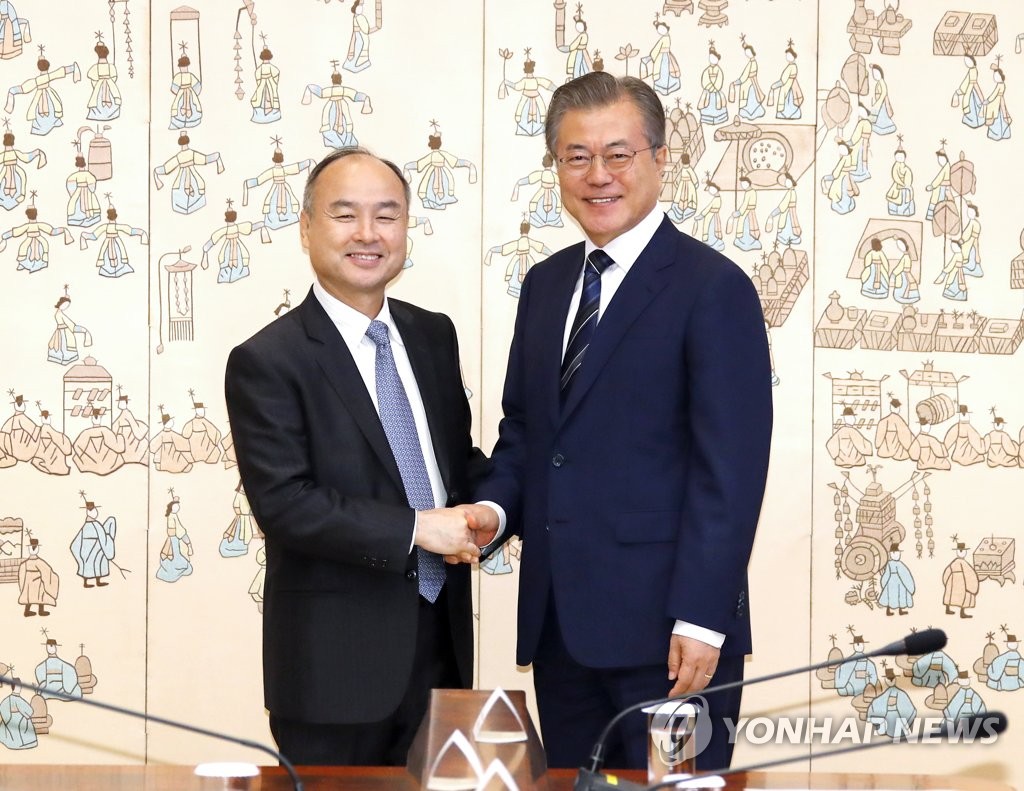
uly 4, 2019 – Masayoshi Son: "First, Second, and Third Are All AI"](관련기사)
When did AI truly reach us, the general public?
I believe that each of us encountered AI at different times depending on our affiliations and environments. Starting with the history of AI could lead to an endless debate, so I’d like to share my perspective and thoughts on this.
For me, AI became something that really pulled the general public into the market in March 2016, with the "AlphaGo vs. Lee Sedol" match, which influenced students’ choice of major and career paths.
In July 2019, Masayoshi Son’s statement, "First, Second, and Third Are All AI", along with government policy shifts (key national project keywords) and the expansion of AI graduate schools, played a significant role in shaping academic and government efforts around AI.
At least these two moments had a major impact on me.
Comments
Post a Comment